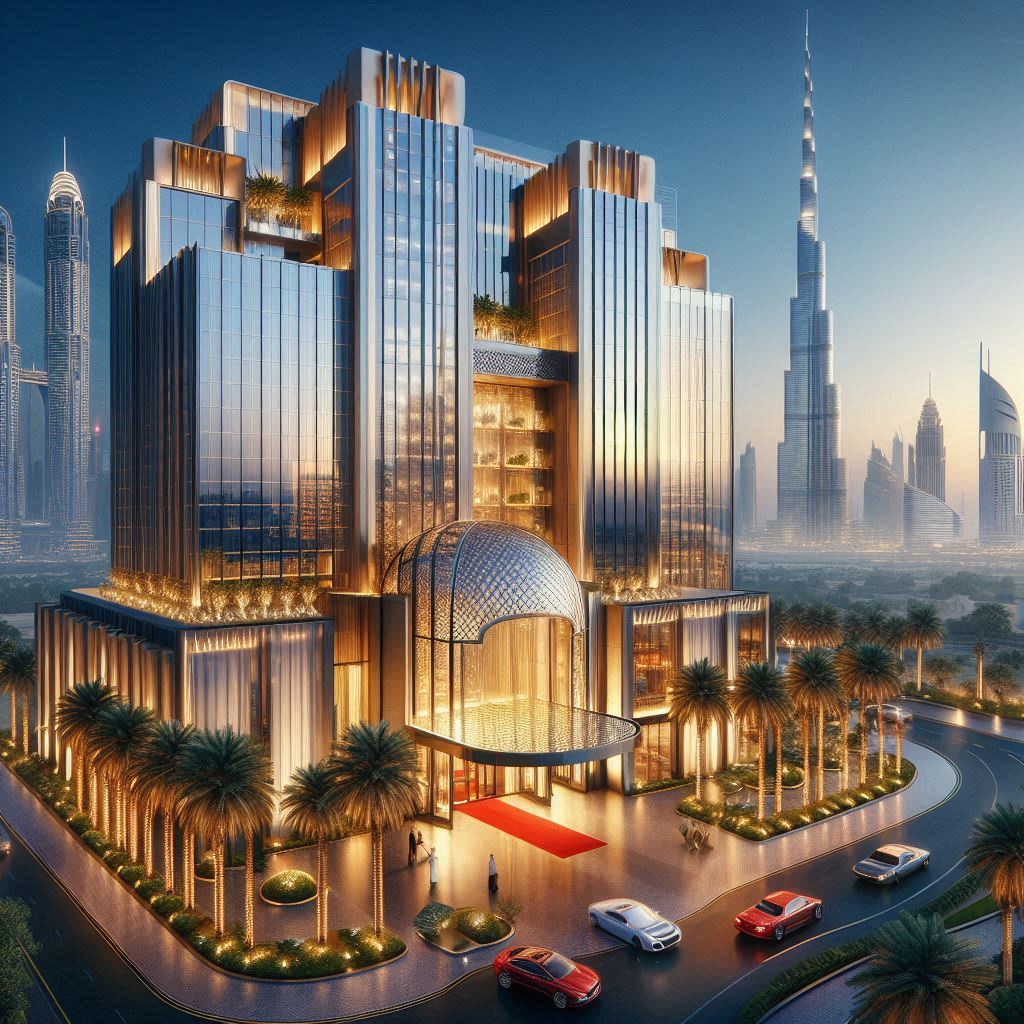
Premium Investment Buildings for Sale in Dubai – Maximize ROI Today!
Explore exclusive income-generating properties in Dubai's prime locations. Limited listings available!
Investment Buildings in Dubai for Sale
The Ultimate 2025 Guide to Maximum Returns and Long-Term Wealth
Dubai's commercial and residential building market continues to deliver extraordinary opportunities for global investors in 2025. With property values surging over 57% since 2020 and the emirate attracting 94,700 investors in the first half of 2025 alone—a remarkable 26% increase year-over-year—the momentum shows no signs of slowing. We explore why investment buildings for sale in Dubai represent one of the most lucrative real estate opportunities available today.
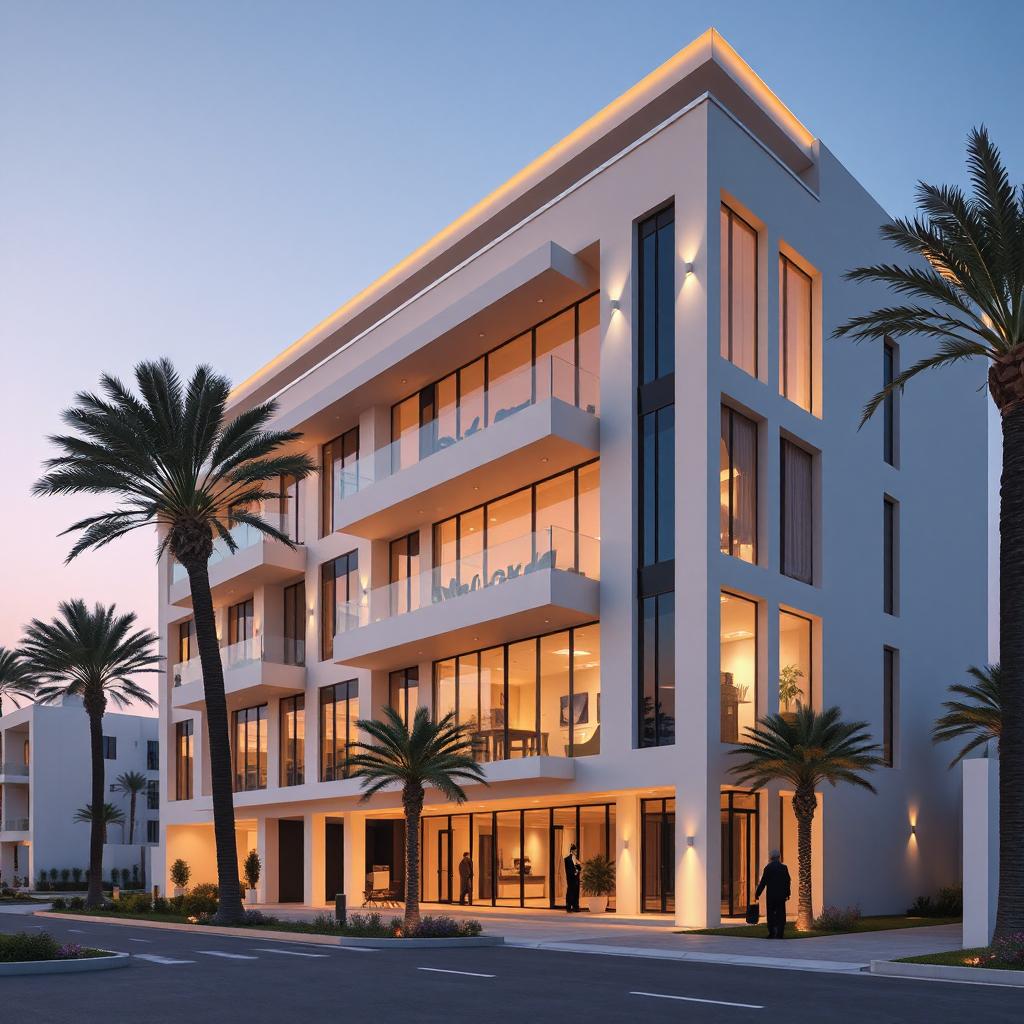
Why Dubai's Investment Building Market Dominates Global Real Estate in 2025
Record-Breaking Market Performance
Dubai's real estate sector has shattered expectations throughout 2025. The residential market recorded transactions worth AED 262.1 billion ($71.4 billion) in the first half of 2025, representing a stunning 36.4% year-over-year increase. Commercial buildings and mixed-use developments continue commanding premium prices as Dubai cements its position as one of the world's fastest-growing property markets.
The average residential sales price rose 20% in 2024 to reach AED 1,597 per square foot, while rental yields consistently deliver between 6% to 10% annually—dramatically outperforming London (3%), New York (2.5-4%), and Hong Kong. Dubai investment buildings offer this exceptional combination of capital appreciation and immediate cash flow that few global markets can match.
Zero Tax Environment and Maximum Profitability
One of the most compelling reasons to invest in Dubai commercial buildings is the tax structure. The UAE imposes zero personal income tax, no corporate tax for most industries, and no inheritance tax. This means every dirham earned from rental income goes directly to your bottom line. The only significant fee is the 4% Dubai Land Department transfer fee upon purchase—a one-time cost that pales in comparison to ongoing tax burdens in other jurisdictions.
For high-net-worth investors and institutional buyers, this tax efficiency translates to returns that compound significantly faster than comparable investments in high-tax countries. A commercial building generating 8% annual yields in Dubai effectively delivers returns equivalent to 12-15% in countries with substantial income taxation.
100% Foreign Ownership and Golden Visa Benefits
Dubai allows complete foreign ownership in designated freehold zones and selected mainland areas. International investors enjoy the same property rights as UAE nationals, including the ability to buy, sell, lease, and bequeath properties without restriction.
The Dubai Golden Visa program adds exceptional value for building investors. By purchasing property worth AED 2 million ($545,000) or more, investors secure a 10-year renewable residence visa for themselves and their families. This visa includes:
- Unrestricted entry and exit from the UAE
- Ability to sponsor family members including spouse, children, and parents
- No minimum stay requirements to maintain residency status
- Access to world-class education and healthcare systems
- Freedom to work or establish businesses throughout the UAE
For investors purchasing multiple units or entire buildings valued above the AED 2 million threshold, the Golden Visa transforms real estate from purely financial investment into a comprehensive lifestyle and business strategy.
Act Fast – Prime Dubai Investment Opportunities
High-demand buildings are selling quickly. Secure your property now before prices rise!
Types of Investment Buildings Delivering Superior Returns
Commercial Office Buildings: The Corporate Real Estate Powerhouse
Business Bay, Dubai International Financial Centre (DIFC), and Jumeirah Lake Towers (JLT) lead the market for office buildings for sale in Dubai. These prime locations deliver rental yields between 7-10% annually, with some premium properties achieving even higher returns.
Office buildings benefit from multi-year lease agreements with corporate tenants, ensuring predictable cash flow and minimal vacancy periods. The average office rental rate increased 17% year-over-year in 2024, reflecting sustained demand from multinational corporations expanding their Middle East operations. Grade A office spaces in Business Bay command AED 2,153 per square foot, while JLT offers more accessible entry points with strong appreciation potential.
The shift toward hybrid work has paradoxically strengthened demand for quality office space. Companies seeking to attract top talent now prioritize premium locations with cutting-edge amenities, fitness centers, and collaborative spaces. Mixed-use buildings incorporating retail and dining options on lower floors with offices above are particularly sought-after.
Retail Buildings: Capitalizing on Tourism and Consumer Spending
Dubai welcomed 18.7 million overnight visitors in 2024, a 9% increase that drives exceptional demand for retail real estate. Total retail expenditure is projected to increase 6% from 2025 to 2027, creating robust opportunities for retail building owners.
Prime retail locations include Dubai Marina, Jumeirah Beach Residence (JBR), Downtown Dubai, and the vicinity of major shopping destinations. Ground-floor retail units in high-traffic areas can command substantial premiums, with some locations achieving rental yields exceeding 10%.
The success of retail investments depends heavily on foot traffic, demographic profiles, and tenant mix. Buildings near metro stations, tourist attractions, and residential communities with high purchasing power consistently outperform. Smart investors focus on retail spaces that can accommodate F&B concepts, beauty services, and experience-driven retail—categories showing the strongest growth.
Residential Buildings: Steady Income and Capital Appreciation
Apartment buildings and residential complexes generate reliable income through long-term tenancies while benefiting from Dubai's population growth. The Dubai Urban Master Plan 2040 projects population expansion from 3.8 million to 7.8 million by 2040, ensuring sustained housing demand across all segments.
Residential buildings in established communities like Jumeirah Village Circle (JVC), Dubai Sports City, and International City deliver yields between 6.5-8.5%. Luxury residential buildings in Dubai Marina, Palm Jumeirah, and Downtown Dubai may show lower immediate yields (4.5-6.5%) but offer superior capital appreciation potential and attract high-quality, long-term tenants.
The introduction of Dubai's Smart Rental Index in 2025 has brought greater transparency and standardization to the rental market. This AI-powered system rates buildings from one to five stars based on quality, amenities, security, and sustainability, allowing premium buildings to command justified rental premiums while encouraging property improvements across the market.
Industrial and Warehouse Buildings: The Logistics Boom
Dubai's strategic location as a global logistics hub drives exceptional demand for industrial buildings and warehouse facilities. Areas like Jebel Ali, Dubai Investment Park, Al Quoz, and Dubai Industrial City host manufacturing, storage, and distribution operations serving the entire region.
Industrial real estate has emerged as a high-performance segment, with warehouses near Jebel Ali Port commanding significant valuations. The growth of e-commerce and regional distribution networks ensures long-term tenant demand. Industrial buildings typically feature long lease terms (3-5 years) with stable, creditworthy tenants, minimizing management intensity while maximizing returns.
Mixed-Use Developments: Diversified Income Streams
Mixed-use buildings combining residential, commercial, retail, and hospitality elements represent the future of urban development in Dubai. These properties generate income from multiple sources, reducing risk while capturing various market segments simultaneously.
Master-planned communities like Dubai Creek Harbour, Dubai Hills Estate, The Valley, and Expo City exemplify this integrated approach. Buildings incorporating residential units, ground-floor retail, office spaces, and lifestyle amenities achieve higher valuations and stronger tenant retention. Residents appreciate the convenience of integrated services, while commercial tenants benefit from built-in customer traffic.
Exclusive Dubai Investment Buildings for High-Net-Worth Buyers
Ultra-luxury properties in Dubai’s most sought-after locations – perfect for elite investors seeking maximum returns.
Prime Investment Locations: Where to Buy Buildings in 2025
Business Bay: Dubai's Manhattan
Business Bay remains the epicenter of commercial real estate with its concentration of corporate headquarters, Grade A office towers, and luxury residential buildings. The district recorded 102 office transactions in August 2025 alone, with prices averaging AED 2,153 per square foot. Its proximity to Downtown Dubai and excellent metro connectivity ensure consistent demand.
Dubai Marina and JBR: Waterfront Premium
These iconic waterfront districts command premium prices but deliver through lifestyle appeal and tourist demand. Short-term rental opportunities can yield 7-9% annually, while long-term residential tenancies offer 5.5-6.5% returns. Properties with marina views, beach access, and luxury amenities attract international tenants willing to pay substantial rents.
Downtown Dubai: Global Icon Location
Home to Burj Khalifa and Dubai Mall, Downtown Dubai represents the pinnacle of prestige real estate. While entry costs are highest, the location delivers unmatched capital appreciation potential. Branded residences from Address Hotels and Vida Residences achieve premium rental rates driven by business travelers and high-net-worth individuals seeking short-term luxury accommodation.
Dubai Hills Estate and Arabian Ranches: Family-Friendly Yields
These master-planned communities attract families seeking villas and townhouses with parks, schools, and recreation facilities. While individual villas deliver 4.5-5.5% yields, multi-unit residential buildings in these locations can achieve 6-7% returns while benefiting from Dubai's population growth and suburban expansion.
Dubai South and Expo City: Future Growth Corridors
Dubai South, developed around Al Maktoum International Airport, and Expo City, built on the Expo 2020 legacy, represent Dubai's next growth phase. Properties in these emerging districts offer accessible entry prices with significant appreciation potential as infrastructure develops. These areas particularly suit investors with longer time horizons willing to benefit from 5-10 year capital growth.
Financial Performance: Understanding ROI and Yields
Calculating Your Investment Returns
Successful building investment requires understanding both rental yields and capital appreciation. Gross rental yield calculates annual rental income as a percentage of purchase price:
Gross Yield = (Annual Rental Income ÷ Purchase Price) × 100
Net rental yield accounts for all operating expenses:
Net Yield = [(Annual Rental Income - Expenses) ÷ Purchase Price] × 100
Expenses include service charges (typically 15-25 AED per square foot annually), property management fees (5-10% of rental income), maintenance reserves, and agency fees. For commercial buildings, landlords often negotiate triple-net leases where tenants cover most operating expenses, significantly improving net yields.
Total Return on Investment
Smart investors evaluate total ROI combining rental income and capital appreciation:
Total ROI = [(Current Property Value - Purchase Price + Total Net Rental Income) ÷ Purchase Price] × 100
With Dubai property values appreciating 9% annually in recent years and rental yields of 6-10%, many investors achieve total annual returns of 15-20%. A commercial building purchased for AED 10 million generating AED 750,000 annual net income while appreciating to AED 11 million within one year delivers 17.5% total return.
Leveraging Mortgage Financing
UAE banks offer property financing for both residential and commercial buildings, typically requiring 20-25% down payment for foreign investors. Current mortgage rates range from 4-6% annually. Leveraging magnifies returns when property yields exceed financing costs.
Consider an investor purchasing a AED 5 million building with AED 1.25 million down payment and AED 3.75 million mortgage at 5% interest. If the building generates 8% gross yield (AED 400,000 annually) and appreciates 9% (AED 450,000), the total gain of AED 850,000 represents 68% return on the AED 1.25 million invested—substantially higher than unleveraged returns.
Trusted by Global Investors Since 2010
Award-winning real estate advisors, verified listings, and proven ROI. Your Dubai investment is in safe hands.
The Investment Process: From Search to Ownership
Property Selection and Due Diligence
Begin by defining investment criteria: target yields, preferred locations, property types, and budget. Engage reputable real estate agencies specializing in investment properties who understand commercial dynamics and can provide market comparable.
Conduct comprehensive due diligence including:
- Title verification through Dubai Land Department
- Building condition assessment and remaining useful life
- Tenant lease review for commercial properties
- Service charge history and building management quality
- Rental market analysis for similar properties
- Future development plans in surrounding area
For existing rental properties, examine current occupancy rates, tenant quality, lease terms, and rental escalation clauses. Buildings with long-term corporate tenants on triple-net leases represent lower risk than those requiring frequent tenant turnover.
Purchase Transaction and Registration
Once you identify a suitable property "Investment Buildings for Sale in Dubai", the purchase process involves:
- Reservation with 10% deposit
- Sales and Purchase Agreement (SPA) signing
- Dubai Land Department registration with 4% transfer fee
- Title deed transfer establishing ownership
- Utility connection and tenant handover
Total transaction costs typically range from 6-8% of purchase price, including the 4% DLD fee, trustee office fee (AED 4,000 for properties above AED 500,000), NOC fees, and real estate agent commission (typically 2% plus VAT).
Foreign buyers require valid passport copies and may need UAE residence visa for mortgage approval. The entire transaction typically completes within 2-4 weeks for ready properties.
Property Management and Optimization
Professional property management proves essential for building investments. Quality management companies handle:
- Tenant sourcing and screening
- Lease administration and rent collection
- Maintenance coordination and repairs
- Financial reporting and tax documentation
- Regulatory compliance and licensing
Management fees typically range from 5-10% of collected rent but deliver substantial value through higher occupancy rates, better tenant quality, and reduced owner involvement. For commercial buildings, experienced management can negotiate favorable lease terms and retain quality tenants, directly impacting property value.
Off-Plan Building Investment: Opportunities and Considerations
The Off-Plan Advantage
Off-plan properties dominated 68.9% of transactions in Q1 2025, reflecting strong investor confidence in Dubai's development pipeline. Off-plan building investments offer several advantages:
- Lower entry prices typically 15-30% below ready property values
- Flexible payment plans spreading costs over construction period
- Capital appreciation before completion
- Customization opportunities for finishing and layouts
- New building standards with latest amenities and sustainability features
Developers offer attractive post-handover payment plans (50/50, 20/80, or even 10/90 structures) allowing investors to secure properties with minimal initial outlay. This capital efficiency enables portfolio diversification across multiple properties.
Managing Off-Plan Risks
While off-plan investment offers compelling advantages, investors must carefully evaluate:
- Developer track record and completed projects
- Project location and competitive positioning
- Construction timeline and realistic delivery expectations
- Escrow protection ensuring funds held securely until construction milestones
- Post-completion rental demand and achievable yields
Leading developers like Emaar, Damac, Meraas, and Nakheel have established reputations for quality delivery. The Dubai Land Department requires developers to register projects and hold buyer payments in escrow accounts, releasing funds only upon verified construction progress. This regulatory framework substantially reduces buyer risk.
Emerging Off-Plan Opportunities
Dubai launched numerous off-plan projects in 2025, from beachfront developments on Palm Jebel Ali to forest-inspired communities in Dubai land and equestrian resorts in Dubai Investment Park. Savvy investors focus on locations benefiting from infrastructure improvements like the Etihad Rail network, expected to dramatically reduce travel times between emirates by 2030.
Dubai Creek Harbor continues attracting investment with its waterfront positioning and future Creek Tower. The Valley offers suburban tranquility with modern amenities, while Expo City builds on the Expo 2020 legacy as a hub for sustainable living and innovation.
Book a Private VIP Concierge Tour
Experience Dubai’s prime investment buildings in person. Personalized service for high-net-worth investors.
Legal Framework and Investor Protection
Freehold Ownership Rights
Since 2002, Dubai has permitted 100% freehold ownership in designated areas. Foreign investors enjoy complete ownership rights including the ability to sell, lease, mortgage, and bequeath properties without restriction. All Investment Buildings for Sale in Dubai transactions register with the Dubai Land Department, providing transparent title records and legal certainty.
Regulatory Bodies Ensuring Market Integrity
Dubai Land Department (DLD) oversees all real estate transactions and maintains comprehensive property records. Every sale, lease, and mortgage registers with DLD, creating transparent ownership history.
Real Estate Regulatory Agency (RERA) monitors market activities, licenses real estate professionals, and enforces standards protecting buyers and sellers. RERA's Ejari system mandates registration of all rental contracts, creating official records and facilitating dispute resolution.
Dispute Resolution Mechanisms
The Dubai Rental Dispute Settlement Center provides specialized courts for resolving landlord-tenant conflicts. These courts offer expedited processes compared to general civil courts, typically resolving disputes within 3-6 months. For commercial property disputes, the Dubai International Financial Centre Courts provide internationally recognized legal standards and precedents.
Market Trends Shaping 2025 and Beyond
Technology Integration and PropTech Innovation
Dubai's real estate sector embraces technological transformation. Blockchain-based property transactions provide enhanced security and transparency. AI-powered platforms offer predictive pricing tools, AR/VR property tours, and automated market analysis. Tokenized property investment enables fractional ownership, lowering entry barriers for smaller investors.
Smart building technologies incorporating IoT sensors, automated climate control, and predictive maintenance reduce operating costs while improving tenant experience. Buildings with these technologies command rental premiums and attract quality tenants prioritizing efficiency.
Sustainability and Green Buildings
Dubai's Net-Zero 2050 commitment prioritizes sustainable real estate development. Green-certified buildings with energy-efficient designs, solar panels, EV charging stations, and water conservation systems see increased demand from eco-conscious tenants and investors.
Buildings achieving LEED, BREEAM, or Estidama certification benefit from:
- Higher rental rates (10-15% premium)
- Better tenant retention
- Lower operating costs through energy efficiency
- Enhanced property values
- Alignment with ESG investment criteria
Population Growth and Housing Demand
Dubai's population increased by 150,000 in 2024, with accelerated growth expected through 2025. Only 29,000 new units were delivered in 2024, meaning demand significantly outpaces supply. This imbalance drives both capital appreciation and rental growth.
The Dubai 2040 Urban Master Plan projects continued expansion, with new communities and infrastructure supporting 7.8 million residents by 2040. This long-term growth trajectory underpins Dubai's real estate investment thesis—sustained demand driven by economic diversification, quality of life, and strategic global positioning.
Act Now – Dubai Investment Opportunities Are Limited!
High-demand buildings are selling quickly. Secure your exclusive property before prices rise!
FAQ: Everything About Investment Buildings for Sale in Dubai
What is the minimum investment required to purchase a building in Dubai?
Investment buildings in Dubai span a wide price range depending on type, location, and size. Small apartment buildings in emerging areas like International City or Dubai Silicon Oasis may start from AED 5-8 million, while commercial office buildings in prime locations like Business Bay or DIFC typically begin at AED 15-20 million. Mixed-use developments and large residential complexes can exceed AED 50-100 million. Many investors start with individual commercial units or small residential buildings before scaling to larger assets.
How do rental yields in Dubai compare to other global cities?
Dubai consistently delivers exceptional rental yields compared to major global markets. Gross rental yields in Dubai average 6.31% in 2025, with commercial properties achieving 7-10% and some residential areas reaching 8-9%. By comparison, London averages around 3%, New York 2.5-4%, Hong Kong 2-3%, and Singapore 2.5-3.5%. When combined with Dubai's zero income tax on rental income, the after-tax yield advantage becomes even more pronounced. An 8% yield in Dubai effectively equals 12-15% pre-tax yield in high-tax jurisdictions.
Can foreign investors obtain financing for building purchases in Dubai?
Yes, foreign investors can secure mortgage financing from UAE banks for both residential and commercial properties. Typical terms require 20-25% down payment for non-residents, with loan-to-value ratios of 75-80%. Mortgage rates currently range from 4-6% annually depending on property type, borrower profile, and lender. Major banks including Emirates NBD, First Abu Dhabi Bank, Dubai Islamic Bank, and Mashreq offer competitive property financing. Having UAE residence visa (including Golden Visa) generally improves financing terms. Some international banks also provide cross-border financing for high-net-worth clients purchasing Dubai real estate.
What are the ongoing costs of owning an investment building in Dubai?
Building ownership involves several recurring expenses. Service charges for common area maintenance typically range from 15-35 AED per square foot annually depending on building type and amenities. Property management fees cost 5-10% of collected rent. DEWA charges (utilities) vary based on consumption and property size. Building insurance typically costs 0.1-0.3% of property value annually. For commercial properties, owners may also incur chiller fees for centralized cooling. Ejari registration fees for lease contracts cost around AED 220 annually per lease. Budget approximately 20-30% of gross rental income for these operating expenses when calculating net yields.
How long does it take to complete a property purchase in Dubai?
For ready properties with clear titles, transactions typically complete within 2-4 weeks. The process involves property reservation (usually 10% deposit), Sales and Purchase Agreement signing, final payment, and Dubai Land Department registration. Off-plan purchases follow developer payment schedules spanning the construction period, typically 18-36 months for most projects. Foreign buyers should allow additional time if securing mortgage financing, as bank approval processes may take 2-4 weeks. Working with experienced real estate agents and conveyancing lawyers can expedite the process.
Is property management necessary for investment buildings in Dubai?
While not legally required, professional property management proves highly valuable for building investments, especially for foreign or non-resident owners. Quality management companies handle tenant sourcing, lease administration, maintenance coordination, rent collection, and regulatory compliance. They achieve higher occupancy rates through better marketing and tenant screening, negotiate favorable lease terms, and handle day-to-day issues without owner involvement. For commercial buildings with multiple tenants, professional management is essentially mandatory to maintain building standards and tenant satisfaction. The 5-10% management fee is typically offset by reduced vacancy, higher rental rates, and lower maintenance costs from proactive building management.
What are the best property types for first-time building investors in Dubai?
First-time investors often start with small residential buildings or individual commercial units before scaling to larger assets. Apartment buildings in established communities like Jumeirah Village Circle, Dubai Sports City, or Discovery Gardens offer accessible entry points (AED 8-15 million) with strong rental demand and yields around 7%. Retail shop units in high-traffic areas provide commercial exposure at lower cost than entire buildings. Office spaces in Business Bay or JLT offer commercial yields (7-9%) with corporate tenants. The key is choosing locations with proven rental demand, reputable developers, and strong management companies. Avoid the temptation to maximize yield by purchasing in problematic buildings—focus on quality assets in solid locations.
How does the Golden Visa work for building investors?
Purchasing property worth AED 2 million or more qualifies investors for the UAE Golden Visa—a 10-year renewable residence permit. This applies whether you buy a single property or multiple properties totaling the threshold. The property can be completed or off-plan, and mortgage financing is acceptable with bank NOC (no objection certificate). Once you complete the purchase, obtain a property valuation certificate from Dubai Land Department confirming the value. Apply through the General Directorate of Residency and Foreign Affairs (GDRFA) website or ICP Smart Services platform. The application typically processes within 2-4 weeks. The Golden Visa includes spouse, children, and can extend to parents. You can stay outside UAE for extended periods without losing residency status. Total application costs including medical tests, Emirates ID, and processing fees are approximately AED 9,685 per person.
What due diligence should I conduct before purchasing an investment building?
Comprehensive due diligence is critical for building investments. Verify title ownership through Dubai Land Department records, ensuring no mortgages, liens, or ownership disputes. Review building condition through professional inspections, assessing structural integrity, mechanical systems, and remaining useful life. For occupied buildings, examine existing lease agreements, tenant quality, rental rates compared to market, lease terms and escalation clauses. Analyze service charge history and any special assessments or major repairs anticipated. Research the property management company, their reputation, and contract terms. Review financial statements showing actual income and expenses versus projected returns. Investigate future development in the surrounding area that might impact property values positively or negatively. Consult with experienced real estate lawyers to review all documentation and flag potential issues.
Are there any restrictions on renting out investment properties in Dubai?
Dubai strongly supports rental investment, with few restrictions on leasing properties. All lease contracts must register through the Ejari system, which costs approximately AED 220 per contract annually. Landlords must provide tenants with DEWA (utility) connection authorization. For short-term holiday rentals (less than 6 months), properties must register with Dubai's Department of Economy and Tourism and comply with holiday home regulations. Buildings in certain freehold areas may have community restrictions on short-term rentals—verify with the property management before planning vacation rental strategies. Commercial leases typically require tenant trade license registration and community NOC. Rent increases are regulated—landlords can only raise rents according to RERA's Rental Increase Calculator based on property type and current rent versus market average.
What is the tax situation for rental income from Dubai buildings?
One of Dubai's most attractive features for investors is the zero personal income tax structure. Rental income from Dubai properties incurs no local taxation—all rent collected goes to the investor without income tax deductions. There is no capital gains tax when selling properties, and no inheritance tax for passing properties to heirs. The only significant costs are the 4% Dubai Land Department transfer fee when purchasing, and 5% VAT on commercial property transactions. However, investors must consider their home country tax obligations—many nations tax worldwide income regardless of source. US citizens, for example, must report rental income to the IRS and may owe US taxes after foreign earned income exclusions. Consult with international tax advisors to understand your specific tax position. The UAE has tax information exchange agreements with numerous countries but no comprehensive tax treaties affecting individuals.
Secure Your Dubai Investment Building Today!
Luxury, exclusivity, and high returns await. Explore our carefully curated listings and claim your property.
How do I calculate the potential ROI for a building investment?
Calculating ROI requires analyzing multiple factors. Start with gross rental yield: (Annual Rental Income ÷ Purchase Price) × 100. Then calculate net rental yield by subtracting all operating expenses: service charges, property management, maintenance reserves, insurance, vacancy losses, and agency fees. This gives your cash-on-cash return. Next, estimate capital appreciation based on location trends—prime areas like Business Bay or Dubai Marina have seen 9-12% annual appreciation, while emerging areas may show 5-8%. Add annual net rental income and property value increase, then divide by total invested capital (purchase price plus transaction costs). For leveraged investments, calculate return on equity rather than total property value. Consider property management quality, tenant stability, lease terms, and location fundamentals when projecting future returns. Conservative projections assume 5-7% appreciation and 6-8% yields, while premium locations may achieve higher returns.
What should I look for when selecting a property management company?
Selecting quality property management dramatically impacts investment returns. Evaluate track record and experience—how long have they operated in Dubai, and what properties do they manage? Review services offered: full-service management should include marketing, tenant screening, lease administration, maintenance coordination, financial reporting, and regulatory compliance. Examine fee structure—typical management fees range from 5-10% of collected rent, plus additional fees for new tenant placement (usually one month's rent). Request references from other building owners they represent. Verify they maintain appropriate licenses through RERA and professional associations. Assess their tenant screening process—quality managers conduct thorough background checks, employment verification, and rental history reviews. Good managers maintain communication systems providing regular financial reports, occupancy updates, and expense tracking. For commercial buildings, ensure they have experience with commercial lease negotiations and corporate tenant relations.
How is the Dubai real estate market expected to perform through 2025-2027?
Dubai's real estate outlook remains exceptionally positive. Analysts project continued strong performance through 2027 driven by several factors: Population growth expected to add 200,000+ residents annually creates sustained housing demand. Economic diversification beyond oil reduces volatility and attracts diverse industries. Tourism growth targeting 25 million annual visitors by 2025 supports hospitality and short-term rental markets. Major infrastructure projects like Etihad Rail, Dubai Metro Blue Line, and ongoing master community development enhance property values. Expo 2020 legacy continues attracting investment to new districts. Experts forecast 5-8% annual property price appreciation through 2027, with luxury segments potentially exceeding 10%. Rental yields should remain stable at 6-10% as supply increases may moderate price growth while maintaining income generation. The key risks include global economic slowdowns, geopolitical tensions affecting regional confidence, or oversupply in specific segments. However, Dubai's economic fundamentals, government vision, and global positioning suggest sustained market strength.
Can I purchase a building as part of a group or partnership?
Yes, multiple investors can purchase buildings together through various structures. Joint ownership involves two or more parties listed on the title deed with specified ownership percentages. Each co-owner can sell or mortgage their share independently, though this can create complexity. Company ownership through a UAE-registered entity provides cleaner structure for multiple investors—the company owns the property while shareholders own company equity. Free zone companies allow 100% foreign ownership with favorable tax structures. Real Estate Investment Trusts (REITs) offer another vehicle for pooled property investment, though these typically focus on large commercial portfolios. For joint purchases, establish clear operating agreements covering decision-making, expense allocation, rental income distribution, exit mechanisms, and dispute resolution before completing the purchase. Consult with UAE commercial lawyers to structure partnerships appropriately.
What financing options exist besides traditional mortgages?
Beyond conventional bank mortgages, several alternative financing structures exist for building investments. Developer payment plans for off-plan properties allow extended payment periods during construction, sometimes with post-handover installments. Private financing from high-net-worth individuals or family offices may offer more flexible terms than banks. Seller financing occasionally available for existing buildings, particularly from motivated sellers seeking quick transactions. Islamic financing through Sharia-compliant structures uses different mechanisms than interest-bearing mortgages but achieves similar economic outcomes. Property bridging loans provide short-term financing for acquisitions with expectation of refinancing once property stabilizes. For international investors, cross-border financing from banks in your home country may offer advantages if you have established relationships. Some specialized lenders offer portfolio financing enabling investors to borrow against existing property holdings to finance new acquisitions. Evaluate all options' true costs including fees, interest rates, and prepayment penalties.
How do I exit my building investment when ready to sell?
Exiting building investments involves strategic planning. Market timing significantly impacts realized returns—consider selling during market peaks rather than downturns. Property preparation including recent maintenance, updated documentation, and resolving any outstanding issues maximizes sale price. Engage experienced real estate agents specializing in investment property sales who understand investor buyers and commercial valuations. For tenanted buildings, timing sales during periods of high occupancy with quality tenants enhances appeal. Marketing to international investor networks, institutional buyers, and high-net-worth individuals expands buyer pools. Consider 1031-style exchanges where you roll proceeds into replacement property, maintaining investment momentum. For commercial buildings, having professional financial statements, tenant rosters, and cash flow projections ready demonstrates professionalism and facilitates due diligence. Transaction completion typically takes 2-4 weeks once you accept an offer. Budget for the 4% DLD transfer fee (usually split 2% each with buyer), agent commission (typically 2% plus VAT), and any mortgage settlement fees.
Investment buildings for sale in Dubai represent exceptional opportunities for discerning investors seeking superior returns, tax efficiency, and long-term wealth creation. With record-breaking transaction volumes, impressive rental yields, sustained capital appreciation, and supportive government policies including the Golden Visa program, Dubai continues cementing its position as a premier global real estate destination.
Whether you're seeking commercial office buildings in Business Bay, retail properties in Dubai Marina, residential complexes in emerging communities, or mixed-use developments in master-planned cities, Dubai's diverse market offers investment solutions matching various strategies and risk profiles.
At Aloud Properties, we specialize in identifying premium investment buildings that deliver maximum returns while meeting your specific investment criteria. Our deep market expertise, extensive developer relationships, and comprehensive support services ensure your Dubai real estate investment succeeds from initial search through ongoing management.
Contact us today to explore Dubai's most compelling investment building opportunities and begin your journey toward exceptional real estate returns in the world's most dynamic property market.